
Membres du Comité International Buchenwald Dora
Allemagne
Günter Pappenheim, Vice-président du CIBD, ancien déporté

Photo : Andreas Domma
Günter Pappenheim wurde am 3. August 1925 in Schmalkalden (Thüringen) geboren. Sein Vater Ludwig Pappenheim, der einer jüdischen Familie entstammte, war Vorsitzender der SDP, Kreis- und Landtagsabgeordneter sowie Redakteur der Volksstimme. Von Anfang an widersetzte er sich dem Nationalsozialismus. Er wurde 1933 in Schutzhaft genommen und am 4. Januar 1934 ermordet. Freunde und Verwandte unterstützten die Mutter und die vier Kinder, die keiner NS-Organisation beitraten und dadurch gesellschaftlich weitgehend ausgegrenzt waren.
Günter Pappenheim freundete sich mit Kriegsgefangenen und Zwangsarbeitern an, die in einem Schmalkaldener Betrieb arbeiten mußten, und besuchte sie auch in der Firma. Das war streng verboten und wurde von einem Betriebsangehörigen angezeigt. Daraufhin verhaftete ihn die Gestapo und brachte ihn nach Mißhandlungen und Verhören in das Arbeitslager Am Gleichberg, das gerade aufgebaut wurde. Nachdem es zu keiner Gerichtsverhandlung gekommen war, wurde Günter Pappenheim aufgrund des Schutzhaftbefehls nach Buchenwald überführt. Zunächst kam er ins Kleine Lager und mußte im Straßenbau arbeiten. Nach der Quarantänezeit verschafften ihm Kameraden eine Tätigkeit im Gustloffwerk und später in der Gerätekammer.
Nach der Befreiung kehrte Günter Pappenheim in seine Heimatstadt zurück. Er übernahm Funktionen in antifaschistischen Organisationen, setzte sich in der VVN und im Kreisausschuß für die Opfer des Faschismus für die Belange seiner Kameraden und deren Hinterbliebene ein. Nach dem Studium übte er verschiedene Funktionen in Staat und Gesellschaft aus. Seit 2000 ist Günter Pappenheim Mitglied des IKBD und deren Vize-Präsident.
Irmgard Seidel, Vice-Présidente du CIBD, successeur
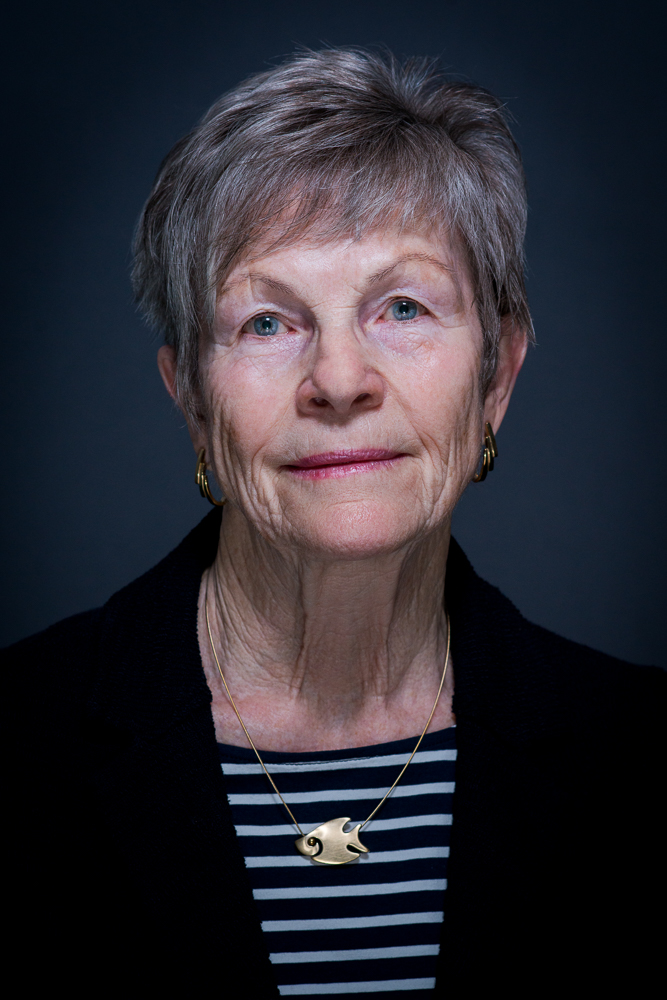
Photo : Andreas Domma
Lena Carlebach, Secrétaire générale adjointe, représentante de l'Allemagne, successeur
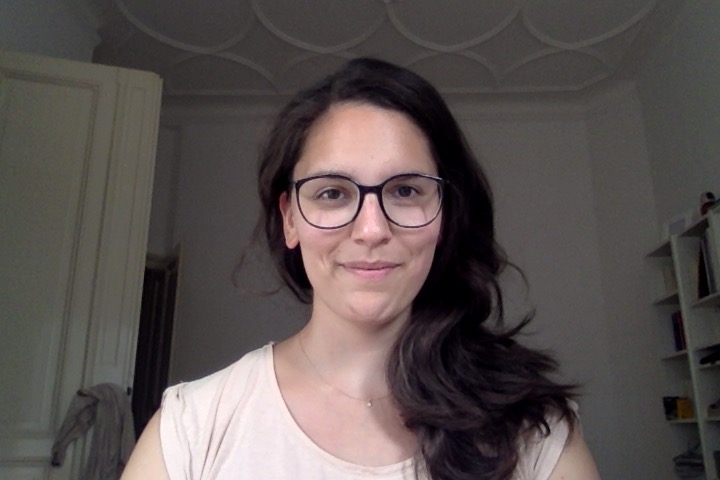 Lena Sarah Carlebach, Jahrgang 1988, ist Psychologiestudentin aus Frankfurt am Main.
Seit 2009 ist sie aktiv in der Lagerarbeitsgemeinschaft Buchenwald-Dora e.V. und setzt sich für die Umsetzung des „Schwures von Buchenwald“ ein. Sie ist außerdem aktiv in der VVN-BdA (Vereinigung der Verfolgten des Naziregimes – Bund der Antifaschistinnen und Antifaschisten). Nach regelmäßiger Teilnahme als Gast an IKBD Sitzungen ist sie seit April 2016 die stellvertretende Generalsekretärin des IKBD.
Lena Sarah Carlebach ist die Enkelin des ehemaligen Buchenwaldhäftlings Emil Carlebach.
Lena Sarah Carlebach, born in 1988, is a psychology student from Frankfurt/Main.
Since 2009 she has been active in the Lagerarbeitsgemeinschaft Buchenwald-Dora e.V. and feels responsible for realizing the „Oath of Buchenwald“.
Apart from that she is active in VVN-BdA. After regular attendance as a guest in ICBD meetings she became the deputy general secretary of the ICBD.
Lena Sarah Carlebach is the granddaughter of the former Buchenwald inmate Emil Carlebach.
Autriche
Albert Dlabaja, Vice-Président du CIBD, représentant de l'Autriche
Albert J. Dlabaja ist der Sohn des ehemaligen Buchenwald-Häftlings Erich Dlabaja. Er wurde am 24. Oktober 1947 in Wien geboren. Seine Mutter, am 14. Februar 1923 in Wien geboren, war Schneiderin und während des Krieges im Arbeitsdienst bei Siemens-Schuckert zwangsverpflichtet.
Sein Vater Erich Dlabaja, am 30. März 1920 in Wien geboren, war schon bei dem Aufstand am 14. Februar 1934 als Meldegänger tätig. Nach dem Anschluß Österreichs 1938 wurde er mit seinem Vater verhaftet und am 27. November 1939 wegen Hochverrat und Zugehörigkeit zum illegalen kommunistischen Jugendverband Österreichs zu zwei Jahren Zuchthaus verurteilt. Aus dem Gefangenenlager Rodgau in Dieburg kam Erich Dlabaja am 4. September 1943 als MischlMg 1. Grades und Politischer ins KZ Buchenwald, wo er bis zur Befreiung 1945 blieb. Er trug die Häftlingsnummer 8678. Nach seiner Rückkehr ging er in den Polizeidienst und war Polizei-Amtsoberrevident am Pass- und Fremdenamt in Wien. Im Jahre 1970 verstarb er infolge eines Gehirntumors.
Albert J. Dlabaja begann 1962 die Lehre zum Stahlbauschlosser in der Waagner-Biro, wo er bis zu einem Unfall 1965 arbeitete. Danach bildete er sich zum Buchhändler aus und ist derzeit als Lehrmittelberater in Schulen tätig. Seit der Kindheit gehörte er verschiedenen Gruppen der Kommunistischen Partei an, aus der er aber 1969 wegen öffentlicher Kritik ausgeschlossen wurde.
Er engagiert sich in der Sozialdemokratischen Partei Österreichs, insbesondere bei den Sozialdemokratischen Freiheitskämpfern und ist seit etwa 15 Jahren bei der Lagergemeinschaft Buchenwald des österreichischen Verbandes tätig. Vor zwei Jahren wurde er einstimmig in den Vorstand gewählt und zum Rechnungsprüfer bestellt. Bei den Fahrten nach Buchenwald und anderen Veranstaltungen im In- und Ausland betreut er die betagten Kameraden.
Albert J. Dlabaja ist bereit, im Einvernehmen mit dem Vorstand, die österreichische Lagergemeinschaft zu vertreten.
Belgique
Paul Baeten, Vice-Président, représentant la Belgique, ancien déporté

Photo : Andreas Domma
Achilles Baeten, successeur
Biélorussie
Albert Pawlowitsch, Vice-président, ancien déporté, représentant de la Biélorussie
Albert Albertowitsch Pawlowitsch wurde am 15. April 1926 in Minsk geboren. Er war Schlosser. Am 12. März 1945 kam er ins KZ Buchenwald und wurde unter der Nummer 135679 als politischer, russischer Häftling registriert. Albert Pawlowitsch ist seit 2001 Vertreter Belarus im IKBD.
Von Albert Pawlowitsch liegen noch keine autobiographischen Notizen vor. Angaben nach Unterlagen des Archivs der Gedenkstätte Buchenwald.
Irina Parazynskaya
Irina Parazynskaya
Canada
Ed Carter-Edwards, vice-président, ancien déporté, représentant du Canada
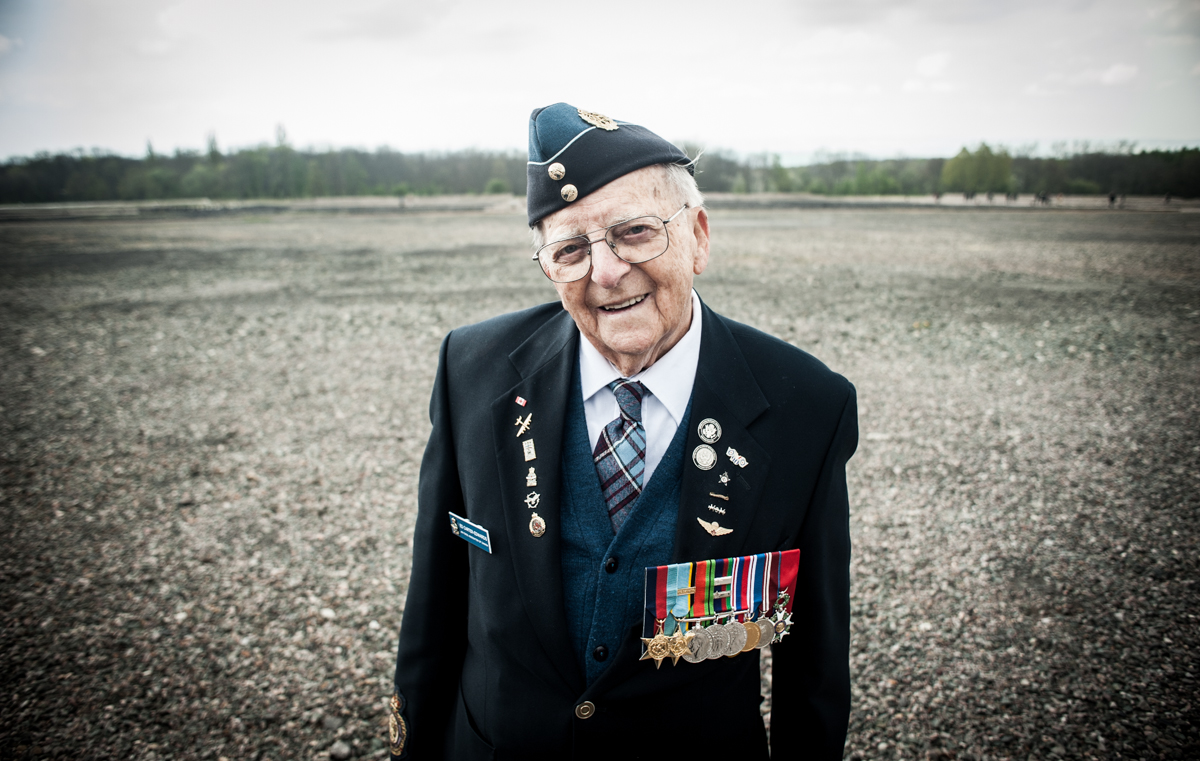 Edward Carter-Edwards wurde im April 1923 in Ontario (Kanada) geboren. Im August 1942 trat er in die Royal Canadian Air Force ein, war seit Juni 1943 als Funker in England stationiert. Im Juni 1944 kam er nach einem Fallschirmabsprung über Frankreich in deutsche Gefangenschaft. Im August überstellte ihn die Gestapo mit einem Transport von 167 anderen Fliegern aus dem Gefängnis Fresnes ins KZ Buchenwald. Dort wurde er am 20. August 1944 unter der Häftlingsnummer 78361 und der Berufsbezeichnung Polizei Sergeant registriert und im Kleinen Lager untergebracht; kam bald in den Krankenbau. Am 28. November 1944 wurde er in ein Kriegsgefangenenlager Stalag Luft III bei Sagan gebracht und nach Evakuierungen am 5. Mai 1945 in der Nähe von Lübeck von den Briten befreit.
Nach der Befreiung kehrte Edward Carter-Edwards über England nach Kanada zurück und war Arbeiter in einer Kühlschrankfabrik. Um 1990, im Zusammenhang mit der Holocaustleugnung in Kanada, begann er, sich mit der KZ-Erinnerung zu beschäftigen. Seitdem kämpft er um Anerkennung der KZ-Opfer bei der kanadischen Regierung und in der Öffentlichkeit. Er gehört zu den Mitbegründern des « KLB-Clubs » in Kanada und tritt als Zeitzeuge häufig in Schulen auf. Edward Carter-Edwards ist seit 1990 Vertreter Kanadas im IKBD.
Craig Carter-Edwards, successeur
Croatie
Boris Braun, ancien déporté, vice-président, représentant de la Croatie
Espagne
Enric Garriga, vice-président, représentant de l'Espagne, successeur

Photo : Andreas Domma
Enric Garriga Elies est membre du CIBD depuis 2011 et fils de l’ancien républicain espagnol Marcel·lí Garriga, déporté à Buchenwald du 17 janvier 1944 jusqu’à la libération du camp en avril 1945. Marcel·lí Garriga lutta contre le fascisme pendant la Guerre Civile, et vécut l’exil en France où il fut prisonnier dans le Camp d’Argelès et Barcarès et les prisons de Port-Vendres et Perpignan avant son départ pour le camp de Compiègne puis Buchenwald.
Actuellement, Enric Garriga est le délégué espagnol du CIBD et membre du Conseil d’Administration du CIBD et chargé de la page web. D’autre part, il est président de l’Amical Mauthausen, d’autres camps et de toutes les victimes du nazisme en Espagne. En effet, cette association regroupe toutes les victimes et leur famille ayant vécu l’horreur nazi, ainsi que les collaborateurs.
Enric s’est engagé dans plusieurs mouvements sociaux contre le fascisme et a piloté le « Projet Buchenwald » et le « Réseau de mémoire et prévention du fascisme. Plus Jamais ».
Site internet : http://www.amical-mauthausen.org
France
Dominique Durand, Président du Comité international
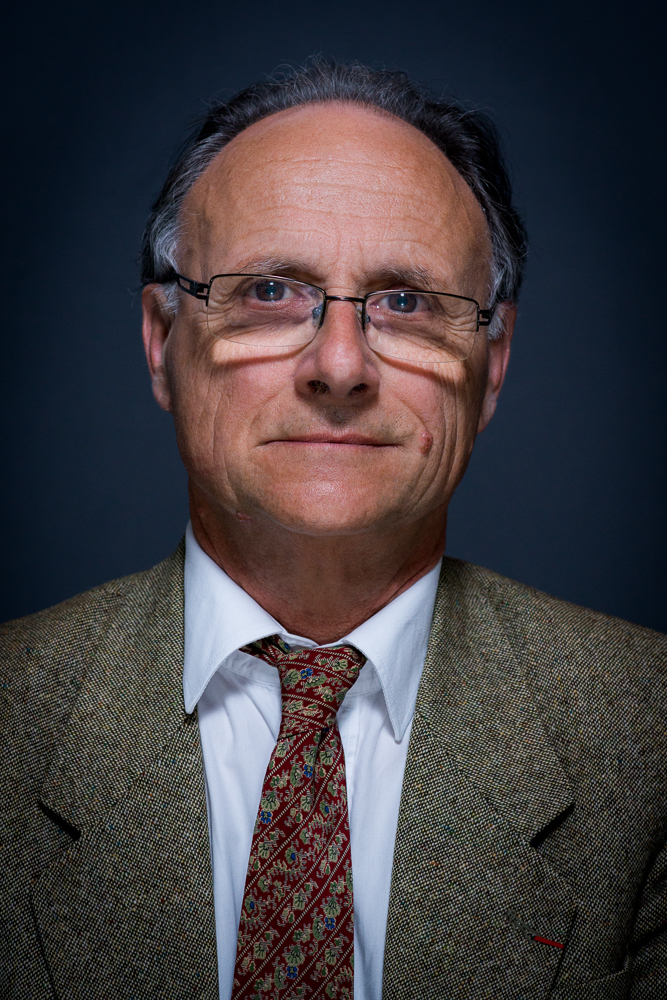
Photo : Andreas Domma
Né en 1948, il a mené des études supérieures d’Histoire et de Sociologie. journaliste, il est l’auteur de différents ouvrages historique et notamment sur la Résistance : « La lune est pleine d’Eléphants verts », Seghers 1979 et « Juifs révolutionnaires », Editions Messidor, 1987
Sur la Déportation : « L’esclavage concentrationnaire », Editions de la FNDIRP 1975 ;« Les 60 ans du centre Jean Moulin », édité par ce centre 2009 ; « Marie Claude Vaillant-Couturier, une femme engagée », Balland 2012, et, en collaboration, « Buchenwald par ses témoins » sous la direction de Dominique Orlowski, Paris, Belin, 2014
Ancien président de l’Association Française Buchenwald- Dora et Kommandos, il est le fils de Pierre Durand, Président du Comité international Buchenwald-Dora, de 1982 à 2001. Dominique Durand était entré au Comité International en 2006.
Chevalier de la Légion d’honneur
Bertrand Herz, Président d’Honneur du Comité, ancien déporté

Photo : Andreas Domma
Bertrand Herz est né à Paris le 24 avril 1930. Au début de septembre 1942 sa famille, d’origine juive franco-allemande installée en France depuis les années 1870, se réfugie en zone non – occupée, à Toulouse, Haute-Garonne.
Après le débarquement allié en Afrique du Nord et l’occupation de la zone sud de la France par les troupes allemandes, la famille Herz est arrêtée, le 5 juillet 1944, par la Gestapo. Le père, la mère, Bertrand et sa sœur ainé sont internés à la caserne Caffarelli de Toulouse avec d’autres femmes, hommes et enfants de confession juive. Son frère, seul, a échappé à l’arrestation.
Le 30 juillet 1944 toute la famille est embarquée dans les wagons de marchandises d’un train qui prend la direction de Buchenwald pour les hommes puis de Ravensbrück pour les femmes. Le trajet dure 6 jours pour les premiers, 7, pour les secondes. Le 6 août 1944 Bertrand Herz est enregistré à Buchenwald sous le matricule 69592. Il reste avec son père, jusqu’au 14 décembre, dans le bloc 61 du Petit camp puis les deux hommes sont envoyés au Kommando de Niederorschel où ils travaillent au montage d’ailes d’avions Junkers.
Le père de Bertrand décède le 27 janvier 1945. Le Kommando de Niederorschel est évacué vers Buchenwald le 10 avril 1945, veille de la libération de Buchenwald. Fin avril Bertrand Herz est de retour à Paris où il retrouve sa sœur et son frère aîné. Sa mère est morte à Ravensbrück le 29 décembre 1944.
Bertrand Herz reprend ses études et, en 1953, sort ingénieur diplômé de l’Ecole Polytechnique.
De 1953 à 1960 il fait partie de la Marine nationale dont il est commandant de Réserve. Spécialiste de l’informatique depuis 1958 il intègre une importante entreprise nationale jusqu’à sa retraite. De 1985 à 1994 il est Professeur à l’institut technologique de l’Université Paris-V, enseignant la conception des systèmes informatiques. Il publie deux ouvrages sur ce sujet.
Il rejoint les rangs de l’Association française Buchenwald Dora et Kommandos dont il devient secrétaire général en septembre 1997 puis Vice président en 2000. En avril 2001 il est élu président du Comité international Buchenwald Dora, puis, Président d’honneur en 2016 à la suite de l’élection de Dominique Durand. Il est citoyen d’honneur de la ville de Weimar depuis octobre 2009. Il a fait paraître ses mémoires en 2015 sous le titre Le pull-over de Buchenwald.
Agnès Triebel, vice-présidente, secrétaire générale et représentante de la France
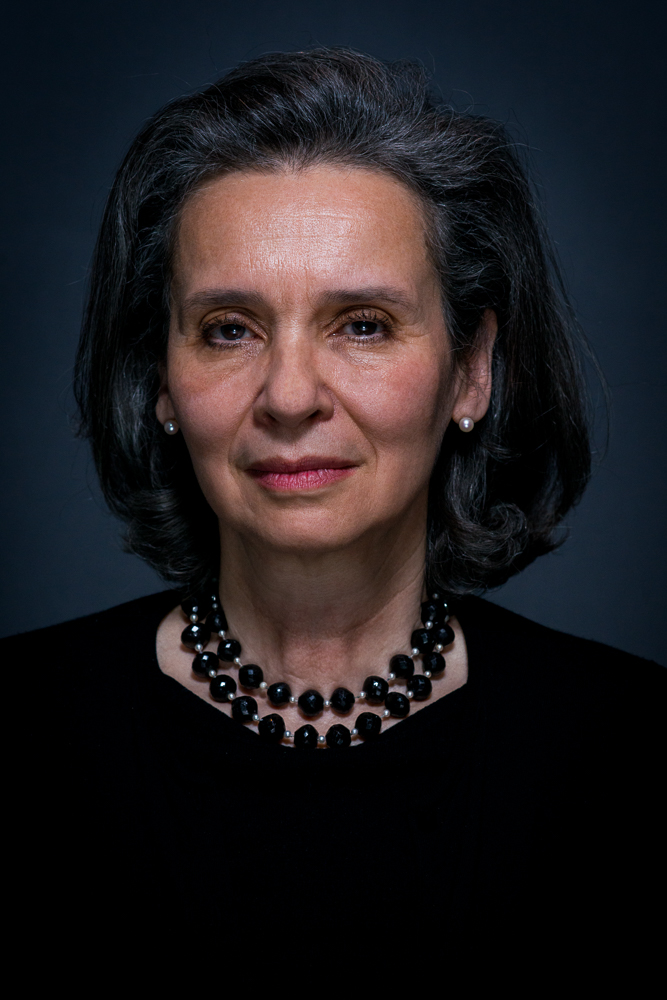
Photo : Andreas Domma
Agnès Triebel est née en 1956 à Paris. Diplômée de l’Institut des Sciences Politiques, Economiques et Sociales de l’Université Libre de Bruxelles (ULB) (relations internationales), elle est également diplômée de la Faculté de Droit de l’ULB, et obtient un doctorat de troisième cycle en droit maritime et aérien.
De 1981 à 1996, elle travaille dans plusieurs enceintes nationales et internationales sur les questions de défense et les questions internationales (Commission européenne, US-International Communication Agency, Fondation pour les Etudes de Défense/UNESCO, Fondation du Futur, Institute for Defense Analyses).
Elle est co-auteur avec Jean-Pierre Audoux du livre : « Les Etats-Unis, la fin d’un rêve ? » Publisud (1992).
Depuis 1996, elle travaille à la fois pour l’Association française Buchenwald Dora et Kommandos, où elle a successivement occupé les postes de secrétaire générale et de vice-présidente, et pour le Comité International Buchenwald dont elle est la Secrétaire générale.
Entre 2005 et 2008, elle a également été Commissaire d’exposition au Musée Jean Moulin/Musée Maréchal Leclerc, sous la direction de Christine Levisse-Touzé, pour plusieurs expositions :
- Les Femmes Oubliées de Buchenwald (2005)
- Les Arméniens dans la Résistance (2007)
- Thomas Geve : Il n’y a pas d’enfants ici -Auschwitz, Gross Rosen, Buchenwald- (2008)
Auteur de nombreux articles sur la déportation pour Le Serment (Revue de l’Association française Buchenwald Dora et Kommandos), elle est également la traductrice de la biographie de Thomas Geve, parue aux éditions Gavsévitch en 2011, et du catalogue de l’exposition des Femmes Oubliées de Buchenwald, paru aux Editions Paris-Musées (2005)
Elle contribue à des colloques nationaux et internationaux sur la déportation et intervient dans des établissements scolaires.
Elle est également l’auteur de plusieurs ouvrages pédagogiques :
- Raconte-moi la déportation dans les camps nazis (2003, réédité)
- Raconte-moi la Nation (2010)
- Les Français à Buchenwald, préfacé par Pierre Durand (2001)
- DVD – Il n’y pas d’enfants ici -Auschwitz Gross Rosen Buchenwald (ECPAD, Musée Jean Moulin, Association Française Buchenwald Dora)
Trilingue français, allemand, anglais, elle intervient souvent comme interprète et traducteur lors de manifestations pour la mémoire de la déportation.
Décorations :
Chevalier dans l’Ordre national du Mérite (2007)
Chevalier dans l’Ordre national de la Légion d’Honneur
Elle est porteuse du Thüringer Verdienst Orden.
Mariée, mère de trois enfants.
Hongrie
Éva Fahidi-Pusztai, vice-présidente, représentante de la Hongrie et ancienne déportée

Photo : Andreas Domma
Éva Fahidi est née le 22 octobre 1925 à Debrecen dans une famille de commerçants juive hongroise de la classe moyenne supérieure. Le 29 Avril 1944 sa famille est arrêtée et enfermée dans le ghetto nouvellement construit. Le 14 mai, tous sont déportés au camp de concentration d’Auschwitz-Birkenau. Au terme de la sélection, la sœur d’Eva et sa mère sont immédiatement gazées, son père, Dezsö, sera victime des conditions de détention. Eva Fahidi est transférée, six semaines après son arrivée, à Auschwitz, au kommando d’Allendorf près de Münchmühle, kommando dépendant de Buchenwald. Il s’agit d’une usine d’explosifs.
Après sa libération, elle rejoint la Hongrie et trouve un emploi d’interprète dans les bureaux du commerce extérieur hongrois. Elle va rester silencieuse pendant 45 ans sur les circonstances de sa déportation. En 1990, elle accepte une invitation d’anciens détenus d’Allendorf. Elle retourne à Auschwitz en 2003. Elle commence alors à écrire ses souvenirs. Son livre, Anima Rerum est publié en2005. Une traduction allemande a paru sous le titre Die Seele der Dinge, en 2011. Elle témoigne très souvent dans les écoles allemandes. Elle a été témoin, en 2015, au procès d’Oskar Gröning.
Katalin Pecsi-Pollner, successeur

Israel
Naftali-Duro Furst, vice-président, représentant d'Israël, ancien déporté
 Naftali-Duro Furst was born to Artur and Margit Furst, in Bratislava, Czechoslovakia in 1932. He and his older brother, Shmuel, enjoyed an idyllic childhood until the Nazi annexation of Czechoslovakia in 1938. Forced to leave Bratislava as all Jews were, Naftali and his family hid in various towns before moving to Nove Mesto, where they had relatives.
In 1942, Naftali and his family were deported to the Sered concentration camp in Slovkia. They were held in Sered until 1944, when Slovakia joined the anti-Nazi uprising that began as Soviet troops pushed their way westward. The Fursts returned to their ancestral hometown of Piešťany, from where they were eventually captured by the Nazis and returned to Sered.
In November 1944, Naftali and his family were deported to Auschwitz-Birkenau and in January 1945, Naftali and Shmuel were taken on
the infamous “Death March” to Buchenwald, where they were both put in the Block 66 of the “Little Camp.” While in Buchenwald, Naftali contracted pneumonia and after a brief stay in the infirmary, was housed in the camp’s whorehouse, from where he was liberated by the Allies in 1945.
Italie
Gilberto Salmoni, vice-président, représentant de l'Italie, ancien déporté
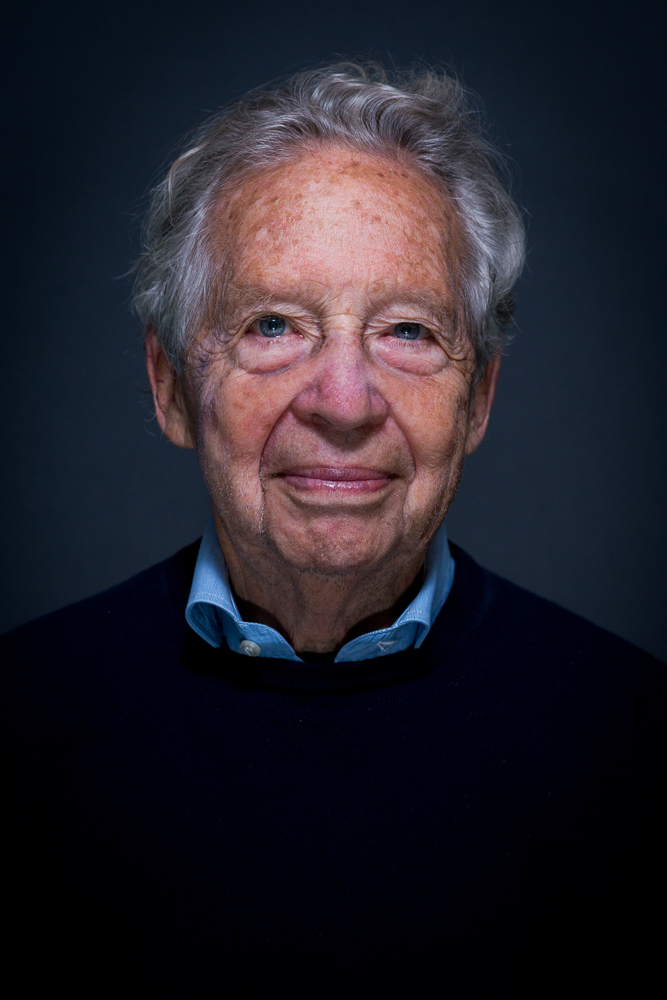
Photo : Andreas Domma
Sergio Gibellini, successeur
 Sergio was born in Genoa in 1951, after classical studies at the high school he got an engineering degree at Genoa University. He spent his professional career in marine and industrial fields. His interest for rhe recent history and deportation developed for learning what was not properly taught at school and thanks to the friendship with witnesses and survivors, as Gilberto Salmoni.
Sergio is active ANED (Italian Association of Deportation (web site: http://www.deportati.it). He is also an amateur photographer and video-maker and published several videos about Deportation, other historical issues and social subjects.
Norvège
Julie Kvamme, vice-présidente, représentante de la Norvège, successeur
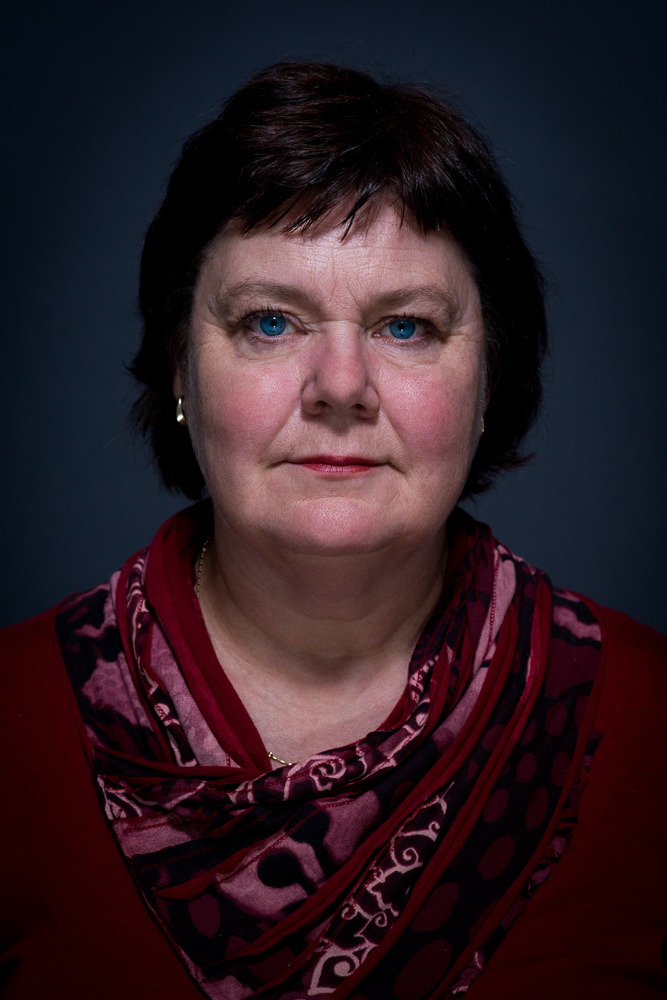
Photo : Andreas Domma
Pologne
Alojzy Maciak, vice-président, ancien déporté

Photo : Andreas Domma
Kamil Majchrzak, représentant de la Pologne, successeur
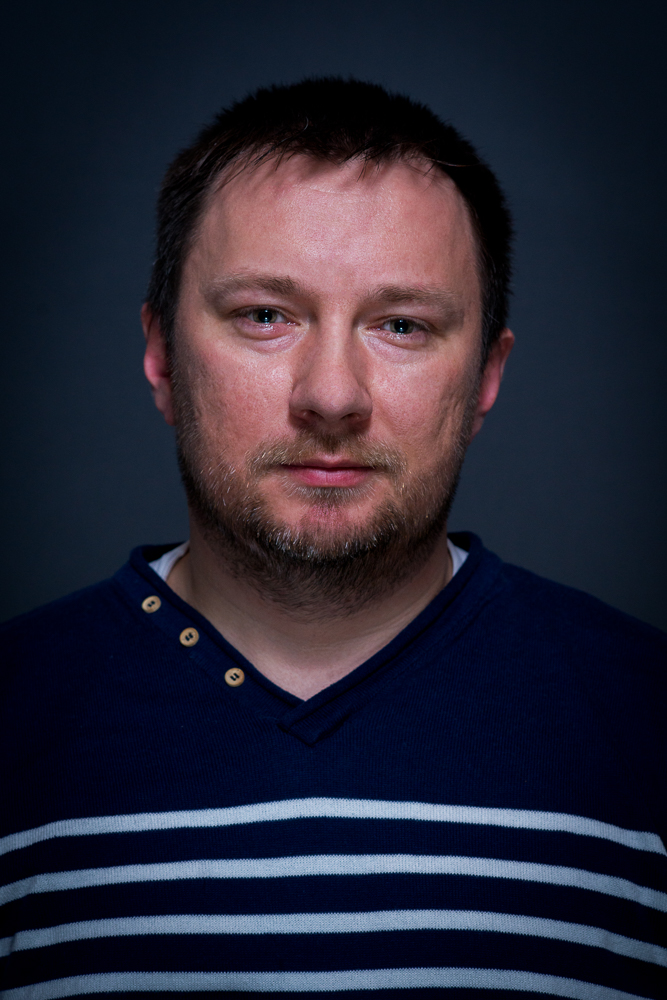
Photo : Andreas Domma
Stanislas Zalewski
Stanislas Zalewski
République Tchèque
Pavel Kohn, ancien déporté, vice-président, représentant de la République Tchèque
 PAVEL KOHN wurde im Jahre 1929 in Prag geboren. Er hatte das Glück, dass er als Kind jüdischer Eltern Theresienstadt, Auschwitz und Buchenwald (1942-45) überlebte, was nur ein paar Einzelnen aus mehreren tausenden Kindern seines Alters gelang. Seine ganze Familie (mit Ausnahme einer Cousine) ist in nationalsozialistischen Konzentrationslagern umgekommen. Als Jugendlicher ohne Eltern und Verwandte musste er sich selbst versorgen und alleine in der Nachkriegszeit zurechtkommen. In der Literatur und Kunst fand er sein Metier und Trost. Nach dem Abitur absolvierte er das Studium der Dramaturgie an der Theaterfakultät der Akademie der musischen Künste in Prag, war als Theaterdramaturg, Theaterkritiker und Journalist tätig und hatte mit dem totalitären kommunistischen Regime bis zum Berufsverbot Probleme. Im Jahre 1967 flüchtete er mit seiner Familie in die Bundesrepublik und arbeitete hier über 22 Jahre als Redakteur des amerikanischen Senders Radio Free Europe in München. Nach der Wende im November 1989, als er wieder seine ursprüngliche Heimat besuchen durfte, gab er dort etliche Bücher, die dann auch in deutschen und hebräischen Übersetzungen erschienen, heraus. Als Zeitzeuge hält er für Erwachsene, aber auch für Schulkinder und Jugendliche Vorträge, übersetzt Poesie und ist – trotz des hohen Alters – im kulturellen Bereich aktiv. Sein bisher wahrscheinlich wichtigstes Buch ist in München 2001 unter dem Titel Schlösser der Hoffnung herausgekommen. Thematisch bezieht es sich auf Kohns eigene Erlebnisse und verfolgt die Aufgabe, die er sich – nachdem er lange Jahre darüber schwieg – gestellt hat: Geschichten von Menschen zu erzählen, die die sogenannte Endlösung wie durch ein Wunder überlebten, dann den Weg in ein neues Leben suchten und ihn – mit Hilfe von verständnisvollen Mitmenschen und durch Kraft des eigenen starken Willens – auch fanden.
 PAVEL KOHN est né en octobre 1929 à Prague. Il est envoyé avec toute sa famille à Theresienstadt, puis, en mai 1944, à Birkenau. De son transport vers ce lieu d’extermination par le convoi 676, il raconte : « Sur 15.000 enfants de mon âge qui étaient au ghetto, 150 sont rentrés. Imaginez une école de village comprenant 150 enfants, répartis en cinq classes, dont un seul survivra, les autres ayant tous disparus… » Pavel Kohn raconte que la vie des adultes de Teresienstadt, était beaucoup plus dure encore que celle des enfants, car ils travaillaient dur et donnaient leur maigre ration aux plus jeunes. Son père meurt au ghetto. Le convoi vers Birkenau s’ébranle, emmenant debout, au milieu de personnes âgées, de malades, d’enfants, de bébés, trois mille personnes en tout, qui arrivent au camp B II b, le « camp des familles », où un inexplicable délai de grâce leur est donné pour six mois mais où toute sa famille périra, (à l’exception de son frère Karel). Il est envoyé à Blechhammer, Auschwitz III, le travail y est harassant, les conditions de vie épouvantables. Son frère y meurt, victime de la sélection après une furonculose. Ce sont ensuite les évacuations de janvier 1945, deux semaines de marches de la mort jusqu’à Gross Rosen, puis l’acheminement dans des wagons ouverts par -25C° jusqu’à Buchenwald, où il sera au bloc 66 du Petit Camp sous la protection du kapo Kalyna, prisonnier politique tchèque auquel a été décerné la médaille des Justes pour son action en faveur des enfants de Buchenwald.
Toute la famille de Pavel Kohn (sauf pour un cousin) a péri dans les camps de concentration nazis. De retour à Prague, il est pris en charge par une organisation humanitaire chrétienne, placée sous la direction d’un pacifiste, Premysl Pitter, qui saura donner confiance, amour, amitiés, soins et attentions à ces enfants juifs privés de tous et de tout. Pitter est un pédagogue et tente l’expérience de la réconciliation, source de vie pour lui. Il mélange les enfants juifs déportés avec les enfants allemands orphelins ou abandonnés à un sort pitoyable dans des camps d’internements tchèques, appelant de tous ses vœux qu’une génération de réconciliation parvienne à surgir des cendres de la barbarie. Pitter et sa compagne, Olga Fierz, verront leur mémoire se perpétuer dans l’Allée des Justes à Yad Vashem, où un arbre a été planté pour eux.
C’est dans la littérature et l’art, que Pavel Kohn va trouver sa résilience et son métier. Après le lycée, il est diplômé en dramaturgie à la Faculté de l’Académie des Arts de Prague. Il travaille comme dramaturge de théâtre, critique de théâtre et journaliste. En 1967, il est contraint de s’exiler avec sa famille en République fédérale allemande et va travailler pendant 22 ans comme rédacteur en chef de Radio Free Europe à Munich. En novembre 1989, il est autorisé à se rendre à nouveau en Tchécoslovaquie, et va publier un certain nombre de livres, qui seront traduits en allemand et en hébreux. Il considère que son livre le plus important, publié en 2001 est « les châteaux de l’espoir » (non traduit en français), qui évoque la vie des enfants chez les Pitter. Ses ouvrages, et les témoignages qu’il donne devant des publics d’adultes ou de jeunes, font référence à sa propre expérience : des histoires de personnes qui ont miraculeusement survécu à la solution finale, puis se sont reconstruites par la puissance de leur propre volonté.
Daniel Vencovski, successeur
Roumanie
Vasile Nuszbaum, ancien déporté
I was born in Turda (Romania) on the 12 of March 1929. In 1940, my family (parents and a younger brother) moved to Cluj (city which after the Vienna Dictate belonged to Hungary). From 1940 to 1944, I studied at the local Jewish High-school. On the 4th of May 1944, me, my family, and the Jewish society in Cluj were sent to the ghetto. After a few weeks, around the end of May, we were deported to Auschwitz-Birkenau.
After arriving there, on the platform, and being selected in two separate rows for men and women, I’ve never seen my mother again. Considering that she did not survive the deportation, I hope that at least she was gassed that same day – so she wouldn’t go through many days of suffering. My father, my little brother and me, we were sent towards the camp. After two days, we were separated from our father, as he was transported to a forced labour comando. I’ve never seen him again. After many decades I found out that he had died in the Tröglitz forced labour comando – in the area of Buchenwald [where inmates were forced to work for Werk der Braunkohle-Benzin-AG (Brabag), tr. note].
Understanding that my little brother, being only 13 years old, would never be selected for a labour comando, I tried – and succeeded for several moths – to avoid all transports. Until the end of September, we managed to pass two of Mengele’s selections for the gas chambers. In 1944, on Yom Kippur – when religious Jews repent and pray for God to inscribe them in the Book of Life – Mengele was playing God, organizing the largest and most complete selection for the gas chambers. My little brother had no chance to survive this selection.
With the first occasion (beginning of November 1944), when a new transport towards a labour comando was formed, I enlisted; I wanted to get away as fast as I could from the Birkenau hell. This time I was lucky. I was sent to Niederorschel [where inmates were forced to work for Dessauer Junckers-Werke, tr. note], one of the most bearable labour comandos from the Buchenwald concentration camp system. I was also lucky because Obercapo Otto Hermann, the inmate with the highest position in the comando, tried in all the possible ways to support his comrades, including during the “Death march” (more than 100 km) from Niederorschel to Buchenwald.
11th of April 1945 was the liberation day for the Buchenwald concentration camp. At the end of the summer I returned to Cluj. I resumed my studies and after high-school graduation (baccalaureate) I applied for the faculty of Economic Studies. Even as a student, I did paid work as a magazine editor. After university graduation I was appointed assistant for Political Economy courses. After one decade I was transferred to the Central University Library as lead bibliographer, responsible for the bibliography on economics. After two decades of working in the Library, I was appointed for the economic section of Cluj County Council, where I worked until my retirement.
I got married in 1952. Her entire active life, my wife worked as a violinist for the Philharmonic Orchestra in Cluj. We have one son, now specialist physician in a Stuttgart hospital.
Being faithful to the Buchenwald Oath, I did my best to contribute to “the destruction from their roots” [as the Oath says] of the nazi and fascist ideas and manifestations. In this sense, I lectured many times about the histories and lessons of the Holocaust, on different commemorations, in high-schools and universities when invited by professors. Last time I lectured was actually early this month [January 2017], for the students and professors at the Faculty of Journalism and Political Studies. I talked many times for school pupils in several towns in Thuringia. I was also part of the editorial team of “MEMENTO BUCHENWALD” magazine, from its establishment in 1995 to its last issue in 2010.
For my merits in keeping the Holocaust memory alive, I was awarded the Romanian Presidency distinction of “Faithful Service Order in Knight Rank” (2007) and the Hungarian Presidency distinction of “Silver Cross of Merit” (2016).
M-am născut la Turda (România) la 12 martie 1929. Familia mea (părinţii şi un frate mai mic) în 1940 s-a mutat la Cluj (oraş care după Dictatul de la Viena aparţinuse Ungariei). Din 1940 până 1944 am fost elev la Liceul Evreiesc din localitate. La data de 4 mai 1944, eu, familia mea, precum evreimea din Cluj, am fost înmânaţi la ghetou. După câteva săptămâni, pe la sfârşitul lunii, am fost deportaţi la Auschwitz-Birkenau.
După sosire, la rampă, din momentul separării coloanelor de bărbaţi şi femei, nu am mai văzut-o pe mama mea niciodată. Probabil – dacă tot nu a supravieţuit deportarea – sper ca în acea zi a fost gazată. Tata, frăţiorul meu şi cu mine am fost îndreptaţi spre lagăr. După două zile ne-au despărţit de tata, el fiind integrat într-un comando de muncă. Nu l-am mai revăzut niciodată. (După multe decenii am aflat că a murit la detaşamentul de muncă din Tröglitz – zona Buchenwald).
Dându-mi seama că fratele meu de 13 ani nicicând nu va fi ales pentru un comando de muncă, am încercat – cu reuşită – să mă eschivez luni de zile din toate transporturile. În intervalul până la sfârşitul lunii Octombrie, am trecut cu bine două selecţii pentru gazare făcute de Mengele. În ziua de Yom Kipur 1944, când evreii pocăiesc şi se roagă ca Domnul să-i înscrie în „Cartea Vieţii”, Mengele s-a erijat în rolul lui Dumnezeu, făcând cea mai mare şi atotcuprinzătoare selecţie pentru gazare. Cu această ocazie frăţiorul meu nu a mai avut scăpare.
La prima ocazie (început de noiembrie 1944), când s-a format un nou transport de comando, m-am prezentat, vroiam să scap cât mai iute din iadul de Birkenau. De data asta norocul mi-a surâs. Am ajuns la Niederorschel, unul din cele mai suportabile locuri de muncă aparţinătoare de lagărul de concentrare Buchenwald. Am avut noroc şi din alt punct de vedere şi anume Obercapo Otto Hermann, deţinutul cu cel mai înalt grad din lagăr, a căutat prin toate mijloacele de care a dispus să fie în ajutorul camarazilor, inclusiv pe tot parcursul „Marşului morţii” (peste o sută de km), adică din Niederorschel până la Buchenwald.
11 aprilie 1945 a fost ziua eliberării lagărului Buchenwald. La sfârşitul verii acelui an am revenit la Cluj. Am continuat studiile gimnaziale şi după bacalaureat m-am înscris la facultatea de Studii economice. Încă din timpul studenţiei am devenit redactor salariat la un săptămânal. După terminarea facultăţii am fost numit asistent la disciplina Economie politică. După un deceniu am fost transferat la Biblioteca Centrală Universitară în calitate de bibliograf principal cu sarcina de a întocmi bibliografia economică. După două decenii de activitate am părăsit Biblioteca, fiind numit la secţia economică a Consiliului Judeţean Cluj, de unde m-am pensionat la vremea respectivă.
M-am însurat în 1952. Soţia mea, violonistă, în toată viaţa ei activă a făcut parte din Orchestra Filarmonică din Cluj. Avem un singur băiat, medic specialist la un spital din Stuttgart.
Credincios jurământului din Buchenwald, am făcut tot ce mi-a fost cu putinţă să contribui la „stârpirea din rădăcini” [cum a fost scris în jurământ] a ideilor şi manifestărilor naziste, fasciste. În acest context, amintesc că de multe ori am vorbit de învăţămintele Holocaustului cu ocazia diferitelor aniversări, la solicitările cadrelor didactice din licee şi universităţi. Ultima oară tocmai la începutul acestei luni [ianuarie 2017] am conferenţiat studenţilor şi cadrelor didactice de la facultăţile de Ziaristică şi Studii politice. În repetate rânduri am vorbit elevilor din unele oraşe din Turingia. Menţionez încă faptul că am făcut parte, ca redactor la revista „MEMENTO BUCHENWALD” de la înfiinţare din anul 1995 până la încetarea apariţiei în anul 2010.
Pentru meritele mele în păstrarea memoriei Holocaustului, mi s-a oferit distincţia din partea Preşedintelui României „Ordinul Serviciului Credincios în grad de Cavaler” (2007), precum şi de la Preşedintele Ungariei „Crucea de argint pentru merit” (2016).
Ich wurde am 12. März 1929 in Turda, Rumänien, geboren. 1940 zog unsere Familie (Eltern, ein jüngerer Bruder und ich) nach Cluj – eine Stadt, die nach dem „Wiener Diktat“ zu Ungarn gehörte. Von 1040 bis 1944 besuchte ich das örtliche jüdische Gymnasium. Am 4. Mai 1944 wurden wir – ich, meine Familie und die gesamte jüdische Gesellschaft von Cluj – ins Ghetto gesperrt. Von dort wurden wir einige Wochen später, Ende Mai, nach Auschwitz-Birkenau deportiert.
Nach der Ankunft dort, auf der Rampe, nach der Selektion in zwei Reihen von Männern und Frauen, habe ich meine Mutter nie wieder gesehen. Da sie unabwendbar zum Sterben verurteilt war, hoffe ich, dass sie noch am gleichen Tag vergast wurde. Mein Vater, mein kleiner Bruder und ich wurden ins Lager geschickt. Nach zwei Tagen wurden wir von unserem Vater getrennt, als er in ein Arbeitskommando geschickt wurde. Ich habe ihn nie wiedergesehen. Jahrzehnte später fand ich heraus, dass er im Lager Tröglitz / Rehmsdorf starb, einem Außenlager von Buchenwald, in dem die Häftlinge Zwangsarbeit für die nahe gelegenen Werk der Braunkohle-Benzin-AG (Brabag) leisten mussten [ü.n].
Da ich verstanden hatte, dass mein kleiner Bruder, der erst 13 Jahre alt war, keine Chance hatte, ín ein Arbeitskommando zu kommen, versuchte ich – mehrere Monate lang erfolgreich – alle Transporte zu vermeiden. Bis Ende September hatten wir es geschafft, zwei von Mengeles Gaskammer-Selektionen zu überstehen. Aber am 27.9.1944, an Jom Kippur – wenn gläubige Juden Buße tun und zu Gott beten, er möge sie in das Buch des Lebens einschreiben – spielte Mengele Gott und organisierte die größte und umfassendste Selektion für die Gaskammer. Mein kleiner Bruder hatte keine Chance, diese Selektion zu überleben.
Bei der ersten Gelegenheit (Anfang November 1944), als ein neuer Transport für ein Arbeitskommando zusammengestellt wurde, meldete ich mich. Ich wollte so schnell wie möglich weg aus der Hölle von Birkenau. Dieses Mal hatte ich Glück. Ich wurde nach Niederorschel transportiert, eines der erträglicheren Arbeitskommandos des Lagersystems von Buchenwald, in dem wir in Zwangsarbeit Flugzeugteile für die Dessauer Junckers-Werke herstellen mussten. Ich hatte auch Glück, weil der dortige Kapo, Otto Hermann, der Häftling mit der höchsten Position innerhalb des Kommandos, auf jede nur erdenkliche Weise versuchte, seine Kameraden zu unterstützen, bis hin zu dem „Todesmarsch“ (über 100 km) von Niederorschel nach Buchenwald.
Der 11. April 1945 war der Tag der Befreiung für das Konzentrationslager Buchenwald. Am Ende des Sommers kehrte ich nach Cluj zurück. Ich ging wieder in die Schule und nach dem Abschluss (Abitur)bewarb ich mich auf die wirtschaftswissenschaftliche Fakultät. Sogar schon als Student verdiente ich Geld als Zeitschriften-Redakteur. Nach dem Universitätsabschluss wurde ich als Assistenten für die Kurse in Politischer Ökonomie berufen. Zehn Jahre später wurde ich in die Zentrale Universitätsbibliothek versetzt, als führender Bibliograph, zuständig für die wirtschaftswissenschaftliche Bibliographie. 20 Jahre später wurde ich in die wirtschaftliche Abteilung der Kreisverwaltung Cluj berufen, wo ich bis zu meiner Pensionierung arbeitete.
Ich heirate im Jahr 1952. Während ihres ganzen Berufslebens arbeitete meine Frau als Geigerin im philharmonischen Orchester von Cluj. Wir haben einen Sohn, der nun Facharzt in einem Stuttgarter Krankenhaus ist.
Dem Schwur von Buchenwald treu, habe ich mein Bestes getan, zu der Zerstörung der faschistischen Ideen und ihrer Erscheinungsformen „mit ihren Wurzeln“ beizutragen. In diesem Sinne habe ich viele Male auf Einladung von Professoren an Schulen und Universitäten bei verschiedenen Gedenkfeiern über die Geschichte des Holcaust und die Lehren daraus vorgetragen. Meinen jüngsten Vortrag habe ich Anfang des Monats [Januar 2017] für Studenten und Professoren der Fakultät für Journalismus und Politikwissenschaft gehalten. Viele Male habe ich vor Schülern in verschiedenen Städten in Thüringen gesprochen. Ich war auch Mitglied der Redaktion von der Zeitschrift „MEMENTO BUCHENWALD“, von seiner Gründung 1995 bis zu seiner letzten Ausgabe 2010. Für meine Verdienste, die Erinnerung an den Holocaust lebendig zu halten, wurde mir die präsidiale Auszeichnung „Verdienstorden mit Ritterstatus“ (2007) und die präsidiale Auszeichnung „Silbernes Verdienstkreuz“ (2016) verliehen.
Iona Florea, successeur, vice-présidente, représentante de la Roumanie

Photo : Andreas Domma
Dr. Ioana Florea is a social researcher, graduate of the Doctoral School in Sociology (University of Bucharest) and the Centre for Research and Studies in Sociology (University Institute of Lisbon). Her main domain of interest is education for social solidarity and social justice. She works in the frame of Quantic Association in Bucharest, she taught seminars at the Faculty of Sociology and Social Work (University of Bucharest), she has been working in action-research projects with children and youth since 2007. She is co-coordinator of the journals „Ideas Debate Exchange Education” and „Gazeta de Artă Politică” [The Political Art Gazette].
Dr. Ioana Florea ist eine Sozialforscherin. Sie hat an der DoktorandInnenkolleg der Soziologie an der Universität Bukarest und am Soziologischen Forschungs- und Studienzentrum an Universität Institut Lissabon studiert. Ihr Hauptinteresse gilt Bildungsprozessen, die Solidarität und soziale Gerechtigkeit fördern. In Bukarest arbeitet sie im Rahmen des Vereins Quantic. Sie hat Seminare an der soziologischen Fakultät der Universität Bukarest gegeben und ist seit 2007 an Projekten mit Kindern und Jugendlichen beteiligt, die Forschen und Handeln vereinen. Sie ist Mitherausgeberin der Zeitschriften Ideas Debate Exchange Education und Gazeta de Artă Politică [Magazin Kunstpolitik].
Dr. Ioana Florea est chercheuse en science sociale. Elle a fait ses études au Collège Doctoral de Sociologie de l’Université de Bucarest et au Centre de Recherches et des Études Sociologiques à l’Institut Universitaire de Lisbonne. Son intérêt primordial se dirige vers les processus éducatifs orienté vers la solidarité et la l’équité sociale. A Bucarest, elle travaille dans le cadre de l’Association Quantic. Elle a enseigné à la faculté de sociologie de l’Université de Bucarest et depuis 2007, elle s’engage dans des projets pour les enfants et les jeunes à l’intersection de la recherche et de l’action. Elle est co-éditrice des magazines Ideas Debate Exchange Education et Gazeta de Artă Politică [Magazine d’Art Politique].
Russie
Irina Kirsanova, vice-présidente, représentante de la Russie
Irina Kirsanova, vice-présidente, représentante de la Russie
Sinti et Rom
Romani Rose, vice-président du CIBD, représentant des Sinti et Roms

He was born in Heidlelberg in 1946. Until 1982 he lived there as an independent businessman. At the founding of the Central Council in 1982 he was voted to the position of Chairman by the delegates of the member organisations – then nine, now 16 state and regional associations – and since then has been confirmed in his post every four years at the member meetings. From 1991 Rose overtook the management of the Documentation and Culture Centre of German Sinti and Roma in Heidelberg. For years he has been known by the federal and state governments for his resoluteness and for his persistent and unyielding work.
Together with the Chairpersons of the national minorities in Germany Rose leads the Minority Council, which was grounded on September 9 2004. It is the union of the umbrella organisations of the four national minorities which belong to the German nation and have always been resident and autochtonous here: The DOMOWINA of the Sorbs, the Friesian Council, the South Schleswig Association of the Danish minority, and the Central Council of German Sinti and Roma. Along with delegates of minorities from the USA, Mexico, Argentina, Japan, India, Sri Lanka, France and Holland Rose is also a member of the management committee of the International Movement Against Discrimination and Racism (IMADR) founded in Tokyo in 1988.
A considerable motivation for Rose’s efforts is his personal connection to the past. Thirteen direct relatives of Romani Rose were murdered in concentration camps under National Socialism, including his grandparents in the camps Auschwitz and Ravensbruck. His father, Oskar Rose, survived on the run and in the underground. Romani Rose’s uncle, Vincenz Rose, survived the extermination camp Auschwitz, medical experiments in the Natzweiler concentration camp, and slave work for Daimler-Benz in the underground tunnels of the KZ Neckarelz/Obrigheim. In 1972 Vincenz Rose founded the first self organistation of German Sinti, the Central Committee of Sinti in West Germany, in which the then not even 13 year old Romani Rose helped out.
For two and a half decades –since June 1979 to be more exact – he has lead the work for the civil rights of German Sinti and Roma before the eyes of the German as well as the international public; he has also fought for their protection from racism and discrimination, for compensation for the survivors of the Holocaust – at the same time announcing the magnitude and the historical importance of the genocide of 500 000 Sinti and Roma in National Socialist occupied Europe. In May 1995, in cooperation with the member organisations of the Central Council, Rose achieved recognition for German Sinti and Roma as a national minority in Germany with their own minority language, connected with their goal of equal participation in social and political life.
To the first important steps of this civil rights work belong:
- – the hunger strike by 12 Sinti in the former KZ Dachau on Easter 1980, organised and participated in by Rose, to get international attention for the genocide and to protest against the continued use of “Gypsy-Race”-files of the Reichs Security Main Office by German police and other authorities decades after the end of the war;
- – the Central Council of German Sinti and Roma, co-founded on February 6 1982 by Rose and since then lead by him, and until the year 2000 the only and till today the most influential umbrella organisation of state and regional associations of German Sinti and Roma;
– the delegation of German Sinti and Roma lead by Rose to meet the former Chancellor Helmut Schmidt, who proclaimed the historically important and internationally binding recognition of the National Socialist crimes against Sinti and Roma as genocide determined by their so-called “Rasse” (race).
In the following years the Central Council drew attention to its demands again and again in the form of protests, press conferences, and events, each under the management of Rose. Examples of such are:
- 1) The protest action organised by Rose by 220 Sinti and Roma on January 28 1983 (to the occasion of the 50th anniversary of the seizing of power by the Nazis) at the Federal Bureau of Criminal Investigation against the racially discriminating publications and criminal investigation department learning materials on Sinti and Roma with formulations taken from NS literature;
- 2) The action with 400 Sinti and Roma KZ survivors in Bonn on November 20 1986 in connection with Rose’s comments in front of a Federal press conference to the first 525 cases of withheld payments of compensation under the Federal Compensation Law, handed over at the office of the Chancellor;
- 3) The until now unique memorial mass initiated by Rose, given by the Bishop Dr. Anton Schlembach in the Speyer cathedral on March 13 1988, the 45th anniversary of the deportation of 23 000 European Sinti and Roma to Auschwitz. On Rose’s invitation 1500 Sinti and Roma from all over Germany and personalities such as the then President of the Upper House Dr. Bernhard Vogel and the then President of the Lower House Prof. Rita Süssmuth came to the mass;
- 4) The demonstration by 250 Sinti and Roma Holocaust survivors, lead by Rose, at the Federal Ministry of Finance for the following through of equal payment of compensation for forced work to the ca. 1 800 KZ survivors represented by the Central Council to that end in the years 2002 to 2006;
- 5) Public meetings, gaining signatures on petitions (with 2124 German Sinti and Roma, among which were 1520 KZ survivors), other actions and many press appointments since 1989 demanding the erection of the Holocaust memorial for murdered Sinti and Roma on the position between the Reichstag and the Brandenburg Gate agreed to for 1994.
The two and a half decades of non-stop engagement by Rose for the compensation of KZ victims gained fundamental significance for the embodiment of the civil rights work in the whole minority. In the course of 20 years since 1985 the office in Heidelberg – which was sponsored by the Federal government since August 1982 and since the year 2000 by the state Minister for Culture and Media – the Central Council, under the crucial leadership of Rose, brought about a significant change to the earlier discriminatory procedure of compensation for 3 200 Sinti and Roma Holocaust survivors. As such Rose and his staff of workers, chosen as the authorized representatives by the survivors, were able to push through new positive decisions by the state and federal compensatory authorities in every individual case.
Unique in Europe is the Documentation and Culture Centre of German Sinti and Roma, managed by Rose. It was demanded by Rose after the 1980 hunger strike, established at the beginning of the ninties with financial help from the federal government, and then with the cooperation of the then leadership of the country (Federal President Prof. Herzog, President of the Lower House Prof. Süssmuth, and President of the Upper House Teufel) it and the large permanent exhibition on the National Socialist genocide was opened by Rose on March 13 1997. More than 700 Sinti and Roma from Germany as well as
numerous personalities from home and abroad took part in the opening ceremony, including the ambassadors from 22 European countries and Israel.
Corresponding to Rose’s initiatives a transportable version of the exhibition has been shown in many German cities since 1998 – most often in conjunction with an accompanying programme organised by the Documentation Centre.
Belonging to the most important results of the work of the Documentation Centre is the international exhibition on the genocide against Sinti and Roma in Europe, developed with personal oversight from Rose, which, since its opening on August 2 2001 has been available for viewing as a permanent exhibition in Block 13 of the State Museum at Auschwitz.
With the workers of the Documentation Centre Rose developed the English language version of the exhibition about the genocide against Sinti and Roma in National Socialist occupied Europe and about present racism against members of the national Sinti and Roma minorities in various European countries. Rose opened this exhibition on January 17 2006 in the European Parliament in Straßburg with participation from the Parliamentary President Borell Fontelles, further personalities, and representatives of Sinti and Roma from several European states. Since then the exhibition is being shown in European cities such as Budapest, Prague, and Warsaw (from October 2006).
Over the course of 2006 Rose has organised for this English exhibition to be opened on January 27 2007 in New York at the United Nations and thus it will be seen with great international attention.
As a result of this international work Rose, as the first representative of Sinti and Roma, was appointed on May 29 2006 as a member of the International Auschwitz Council by the Polish Government.
Heidelberg, 2006
© Dokumentations- und Kulturzentrum Deutscher Sinti und Roma Heidelberg
André Jenö Raatzsch
Slovénie
Boris Nemec, vice-président, représentant de la Slovénie

Photo : Andreas Domma
Ukraine
Boris Romantschenko, ancien déporté, vice-président, représentant de l'Ukraine
Ivan Nemitschev, successeur
USA
Steven Moscovic
Steven Moscovic, Vice Président
Nachbemerkung
Nachbemerkung zu Biographien
Die hier vorgelegten Biographien der Mitglieder des Internationalen Komitees Buchenwald-Dora und Kommandos wurden nach autobiographischen Notizen zusammengestellt. Ziel war, möglichst zu allen Personen wenigstens die wichtigsten Lebensstationen mitzuteilen. Das war leider nicht in allen Fällen möglich, da die Niederschriften sehr unterschiedlich angelegt sind. Viele schildern ihr Leben recht ausführlich, während andere nur wenige Daten stichpunktartig auflisten. Es wurde daher versucht, ein Mittelweg zu finden, der persönliche Erzählungen nicht völlig ausschließt und verknappte Darstellungen nicht gar zu spröde wiedergibt. In vielen Fällen wird bedauerlicherweise wenig oder gar nichts über die Zeit nach der KZ-Haft berichtet. Diese Lücken ließen sich beim besten Willen nicht schließen.
Nicht immer standen autobiographische Vorlagen zur Verfügung. Dann wurde versucht, mit Hilfe des Archivs der Gedenkstätte Buchenwald wenigstens die wichtigsten Lebensdaten (Geburtstag und -ort) und Informationen über die KZ-Zeit zu ermittelt. Hierbei waren vor allem die Häftlingskarteikarten hilfreich, aber leider sind auch diese in einigen Fällen nicht mehr vorhanden, so daß zu einigen wenigen Namen keine Angaben gemacht werden konnten. Die Bearbeiterin war um Vollständigkeit und Korrektheit bemüht, kann sie aber nicht garantieren. Sollten wider Erwarten amtierende oder ehemalige Mitglieder des IKBD nicht berücksichtigt worden oder gravierende Fehler unterlaufen sein, so sei schon jetzt die Bitte um Ergänzung und Korrektur des Vorliegenden geäußert.
Weimar-Buchenwald, 3. April 2001 Ursula Härtl
Wir danken Irmgard Seidel und Dr. Philipp Neumann-Thein für die Unterstützung bei der Rekonstruktion der Biographien ehemaliger Mitglieder des IKBD.
